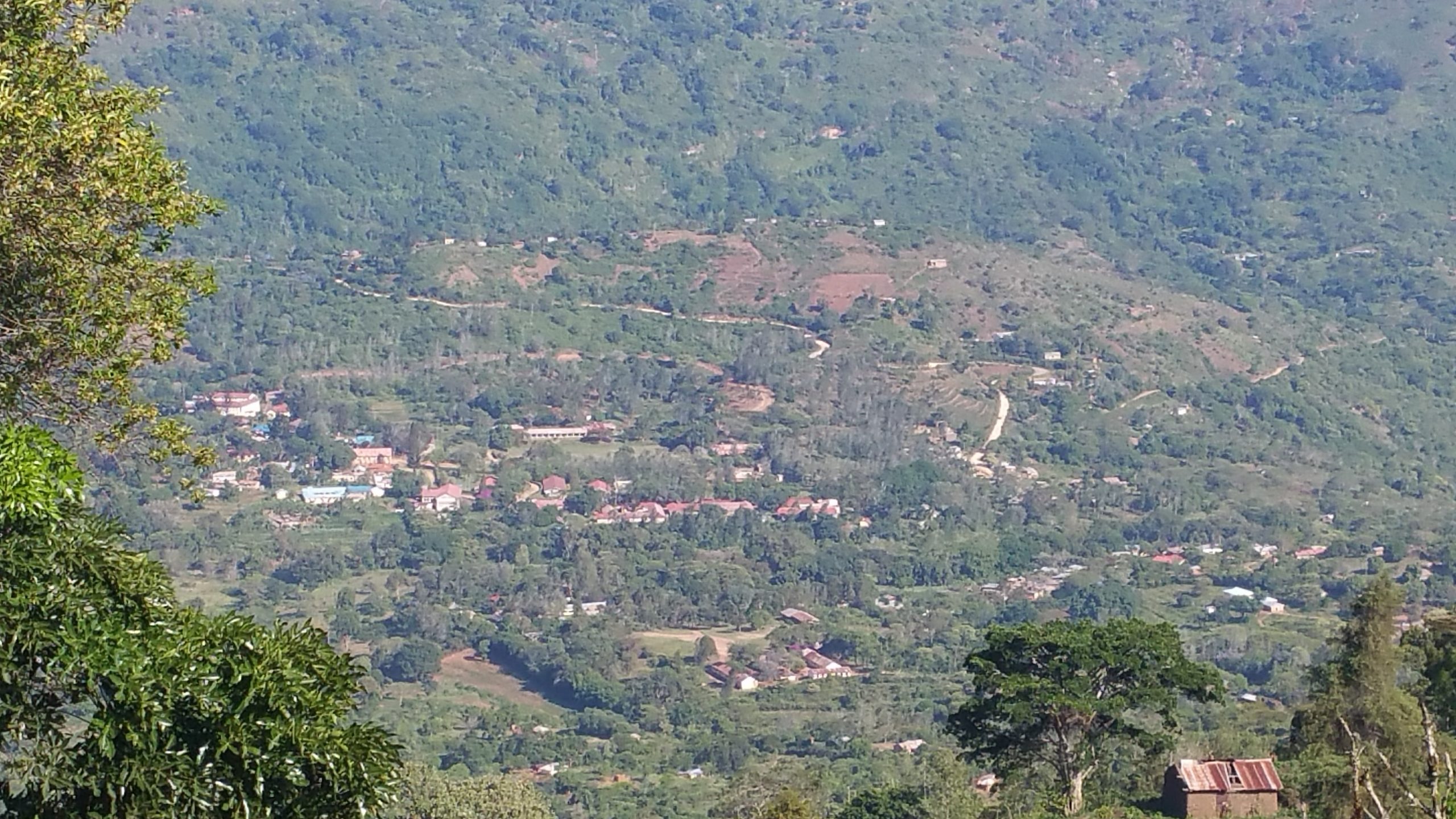
Part of Bura Mission

Just like many other parts of the globe, Kenya in general and Taita Taveta in particular has withstood the worst of water in terms of scarcity and abundance. The dry spells have increased in frequency and intensity resulting in drought and famine while torrential rains come with floods that leave destruction and displacement of people from their homes.
Growing up in a tiny village up the Taita hills, water was an interesting aspect of my daily life, an ever present aspect. The idea of piped water was still foreign; therefore, frequent trips to the river down the slope were the norm. My father, a farmer of note, kept a few Friesian cows in a zero grazing unit. These cows gobbled up water in the tens of gallons, which meant more trips to the river. Those who have been up those hills will agree that work was, and is, not for the faint hearted.
Fortunately, fetching water was not an all year activity. Those days rains were plenty; the short and long rain seasons came and went religiously. If my English teacher by then had not taught me the idiom, ‘to rains cats and dogs’, I would have been convinced that indeed such rains literally dropped dogs and cats on our roofs. I can never forget the sound of the heavy drops on the iron sheet roof, how that magical sound would serenade me to sleep. During the rains, water would be stored in each available container, which spared us from going to the river. Many other thrills came with the rain, such as playing in pools of water; sliding in the mud and watching rivulets flow growing bigger and bigger until they joined the river. In equal measure however, there was the nasty side to the rains. The biting cold that we would brave with just shirts with chattering teeth, corporal punishment as this was still a fashionable way of instilling discipline (and which the teachers dearly loved) and hitting a toe on a stone while playing football with a handwoven ball among many other.
Water was freely available, so we took it for granted. It was after my science teacher told us one day that most of the human body is made of water that water plays a critical role in the body of a human being and all other living things and that one cannot survive without it, that the importance of this resource started becoming clear to me. I found the idea of my body being 80 percent water very strange in my small mind but also very interesting. I remember going to the river after the lesson, looking intently at the water mesmerized at the clean and unperturbed stream as it gently flowed by. I wondered how water made up my blood, flesh and bones. Since then, I have found water to be an intriguing subject.
According to the United Nations Environment Programme (UNEP), water covers more than two-thirds of the surface of the planet but little of that water is safe for human consumption. Almost 98 percent of that water is salty and found in oceans and other salty water bodies while most of the remainder is frozen in ice sheets and glaciers at the earth’s poles and on the peak of mountains standing at high altitudes. This means that the fresh water found in rivers, some lakes, wetlands and aquifers is very little. Probably not more than one percent of the global volume of water. These facts are sufficient to raise a concern on how the ever-ballooning human population, human activity and climate change interact with this vital yet scarce resource and how we can protect it.
READ ALSO: WATER SHORTAGE IN TAITA TAVETA COUNTY IS MAN MADE
Just like many other parts of the globe, Kenya in general and Taita Taveta in particular has withstood the worst of water in terms of scarcity and abundance. The dry spells have increased in frequency and intensity resulting in drought and famine while torrential rains come with floods that leave destruction and displacement of people from their homes.
Taita Taveta County is uniquely situated with streams flowing all year round and seldom experience prolonged dry spells. However, other parts are semi-arid and rarely green. Whereas in the days long gone, the upper parts of the county were evergreen and the vegetation ever succulent, frequent dry spells due to the insufficient rainfall have begun having an effect on these parts as well, causing subsistence farmers to start diverting water into their pieces of land. Diversion of water from the rivers upstream leads to those in the down steam getting very little or no water at all. The unsustainable human interaction with the environment has played a major role in the resultant state of rainfall patterns.
At the global level, the United Nations (UN) through the Sustainable Development Goals seeks to address this problem through its goal 6 on Clean Water and Sanitation. The goal seeks to ensure availability and sustainable management of water and sanitation for all. In the subsequent editorials, we shall seek to identify how this SDG goal and other initiatives aimed at sustaining the water resource affect the Taita Taveta county.

 KEEP SNAKES OUT: PROVEN TIPS TO PROTECT YOUR HOME IN TROPICAL AREAS
Living in tropical regions comes with.
 EJF Condemns Coast Water Works Over Violations of Taita Taveta Residents’ Water Rights
The Economic Justice Forum (EJF) strongly.
 FLOOD DISASTER IN NAIROBI EXPOSES DEEP GOVERNANCE FAILURES AND URBAN PLANNING NEGLECT
The devastating floods that struck.
 TSAVO NATIONAL PARK CRISIS: THE JUDICIAL FAILURE PUTTING OUR LAND AT RISK
1. Overview Tsavo National Park—one.
 TAITA TAVETA’S HUMAN-WILDLIFE CRISIS: A LONG-IGNORED TRAGEDY
For generations, residents of Taita Taveta.
 GARBAGE COLLECTION IN VOI SUB COUNTY; A REFLECTION OF ADMINISTRATIVE FAILURE
Truth be told, Voi, the.
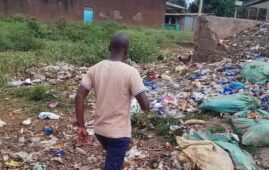 UZEMBE WA GAVANA MWADIME NA BODI ZAKE ZA MANISPAA
Licha za manispaa ya Taveta.
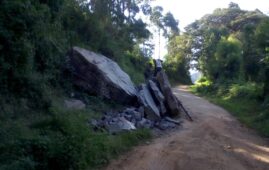 ICONIC STONE BROUGHT DOWN
By Innocent Kirigha It’s saddening to.
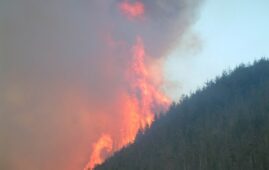 TAITA HILLS ARE ON FIRE; LETS STOP THIS DISASTER!
The hills of Taita are on.
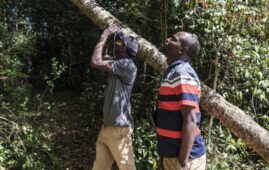 IN NGANGAO FOREST, KENYA, ENVIRONMENTAL PROTECTION ON A RIDGE LINE
Failing to obtain the support of.
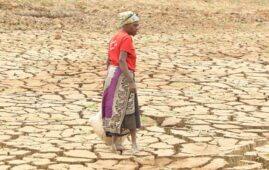 TWO KEY TAITA TAVETA DAMS DRY UP, THREATENING WELLBEING OF HUMANS, WILDLIFE
By Lucy Mkanyika Asworld leaders gather.
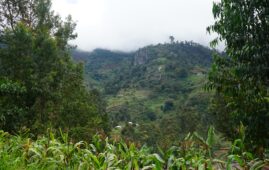 WATER SOURCES DRY UP AS DROUGHT RAVAGES TAITA TAVETA
By Solomon Muingi The prolonged drought.
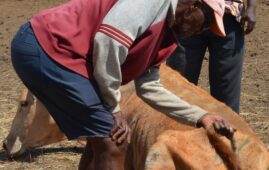 LIVESTOCK DEATHS RAISE IN DROUGHT HIT TAITA TAVETA
By Arnold Linga Masila In fair.
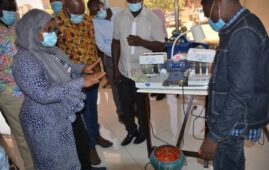 MINERS SUFFER AS KSH 50 M GEMOLOGY CENTRE LIES IDLE
In the gemstone-mining fields of Taita.
 CONCERN OVER ALGAE INFESTATION IN KISHENYI DAM
Kishenyi Dam in Wundanyi has been.
 IT’S NOW MAN VS BEAST AS THOUSFACE STARVATIONANDS
It’s mid-morning at Nkaroni village in.
Wonderful memories…
Water 💦 as a resource, is key to development….
This is a great article….our county 06 needs to adopt this article and also appoint the writer to the county,s water resource boarx
Hehe, Thanks for the warm wishes.
I have always wondered how it would have been had there been no settlements in all of the Taita Hills. Just forests. And everyone was moved to live in the lowland plains and water abundantly supplied to them, of course piped and the many rivers that would emanate from springs within the forest.
Taita Taveta would be a totally different place.
Hi Martin,
That’s a very relevant thought. I think it I will do some research and write about that aspect. Though I don’t think its something that can be implemented now. You can also share more views on the same.
Great article… I think the county government should create a system and a database to capture all these ideas from wanainchi all over then filter and use what is important
Why does it take that long to provide bore holes to the communities? People are dying, animals are dying, they can’t grow food, the country does not support its people.